
MCQ Examples


About Course

Dr. Cezar Jaime Morgado Ortiz, MD, MBA
AMC MCQ 1 Passer
Former Amex Student Batch 11
Adult Medicine

Dr. Agustin Baes Corro III, RN, MD
AMC MCQ 1 Passer
Former Amex Student Batch 43
Adult Medicine
Dr. Agustin Baes Corro III, RN, MD
AMC MCQ 1 Passer
Former Amex Student Batch 43
Women’s Health

Dr. Karine Camille H. Joson, MD, DSBPP
AMC MCQ 1 and Clinic Exam passer
Former Medical Officer Lyell McEwin Hospital Elizabeth Vale South
Australia
Mental Health
Dr. Karine Camille H. Joson, MD, DSBPP
AMC MCQ 1 and Clinic Exam passer
Former Medical Officer Lyell McEwin Hospital Elizabeth Vale South
Australia
Ethics And Law

Dr. William Jayson Portillo Chan, MD
AMC MCQ 1
Current Resident Medical Officer, New South Wales
Former AMEX student Batch 36
Child Health
Dr. William Jayson Portillo Chan, MD
AMC MCQ 1
Current Resident Medical Officer, New South Wales
Former AMEX student Batch 36
Adult Surgery
Dr. William Jayson Portillo Chan, MD
Community Health
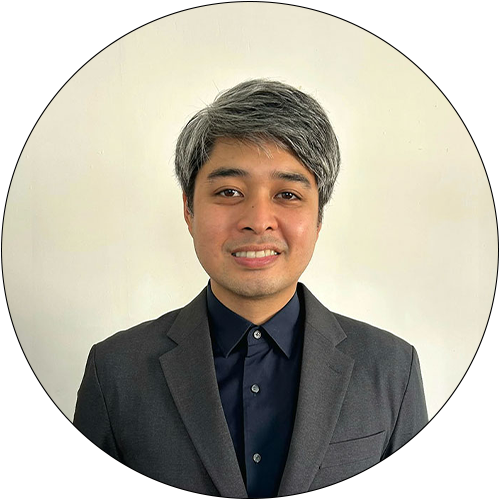
Dr. Cezar Jaime Morgado Ortiz, MD, MBA
AMC MCQ 1
Current Resident Medical Officer, New South Wales
Former AMEX student Batch 36
Adult Medicine
As part of your preparation, we have released a list of recently tested themes from the AMC MCQ, including topics reported in the November 2025 exam.
The goal of sharing these themes early is to help you train your focus and to recognise what the AMC is currently emphasising and to study with intention, not guesswork. As you move deeper into the review program, we will continue releasing these test analyses so you can identify recurring question patterns, avoid common traps, and approach each module with greater confidence and clarity.
Use these themes as a lens while studying: they are not shortcuts, but tools to help you study smarter and prepare more strategically for the exam.
Adult Medicine
1. Heart Failure (HFrEF): disease-modifying therapy
Competency: Distinguishing mortality-reducing medications (ACEi/ARB/ARNI, beta blockers, MRAs) from purely symptomatic treatments (e.g. diuretics).
2. Hypertension pharmacotherapy (with comorbidities)
Competency: Choosing appropriate first-line or add-on antihypertensives based on diabetes, CKD, age, and cardiovascular risk.
3. Lung cancer: epidemiology and “most common type”
Competency: Broad recognition of histological patterns and population prevalence rather than detailed oncology staging.
4. Iron deficiency anaemia (adult vs child patterns overlap)
Competency: Correct interpretation of iron studies and differentiating IDA from anaemia of chronic disease.
5. Osteoporosis risk factors and fragility fractures (present but low signal)
Competency: Identifying major risk factors and when secondary causes should be considered.
Adult Surgery
1. Facial/parotid vs dental pain differentiation (weak but recurrent)
Competency: Anatomical localisation, red-flag recognition, and appropriate referral pathways rather than definitive surgical management.
2. Post-procedural complication recognition (implicit)
Competency: Early identification of complications that require escalation rather than watchful waiting.
(Note: Adult Surgery signals were relatively sparse in this recall set, which is itself a useful insight.)
Women’s Health
1. Cervical screening abnormalities (HPV/LSIL follow-up)
Competency: Applying National Cervical Screening Program pathways correctly and safely.
2. Emergency contraception selection
Competency: Choosing the most effective EC based on timing, cycle, and patient suitability (pill vs copper IUD).
Mental Health
1. Behavioural and Psychological Symptoms of Dementia (BPSD)
Competency: Safe prescribing, regular review, deprescribing principles, and risk–benefit reasoning with antipsychotics.
(Note: Mental health questions here test risk management and review discipline, not DSM memorisation.)
Child Health
1. Iron deficiency anaemia in children
Competency: Diet-related risk assessment, correct iron study interpretation, and age-appropriate management.
2. Common childhood skin conditions (warts)
Competency: Knowing benign natural history, first-line management, and avoiding overtreatment.
Community Health
1. Screening test interpretation (PPV, sensitivity/specificity)
Competency: 2×2 table literacy and applying screening statistics to population health decisions.
2. Genetic carrier screening and counselling (autosomal recessive)
Competency: Risk calculation, clear patient explanation, and avoiding deterministic language.
3. Vaccination-preventable disease complications (e.g. shingles → PHN)
Competency: Prognostic counselling and preventive framing rather than acute treatment alone.
4. Intimate partner violence risk factors (weak/implicit)
Competency: Social risk awareness without stereotyping; knowing when to screen and escalate.
Ethics
- Consent, documentation, and risk disclosure in vulnerable populations (embedded rather than explicit) Competency: Ethical prescribing, informed consent, proportionality of harm vs benefit, especially in geriatrics and mental health contexts.
Course Content
MCQ Example
-
MCQ Examples
-
Feedback